
An sabunta
Da Turanci
Wannan labarin da Turanci yake. Ana shirya fassarar Hausa.
Being told you need an operation can be worrying. Knowing what will happen, and what you can do to prepare, makes the experience easier and helps your recovery. This guide covers planned operations at Almadina Hospital. Emergency surgery follows the same safety steps, but faster.
Before your operation
Your consultation. You will meet the surgeon, who will explain why the operation is recommended, what it involves, the expected benefits, the risks, and any alternatives, including not having surgery. Ask every question you have. It helps to write them down beforehand and to bring a family member.
Consent. Before any operation you will be asked to sign a consent form. Sign only when you understand what is planned and have had your questions answered. You can change your mind.
Pre-operative assessment. A few days before, or on the day for smaller procedures, the team will check your general health. This usually includes your blood pressure, pulse and weight, and often blood tests. Some people need other checks, such as an ECG for the heart. The anaesthetist will review you to plan the safest anaesthetic.
What to tell your team
Tell the doctors and nurses about:
- All the medicines you take, including tablets bought without a prescription, herbal mixtures and traditional remedies. Some, especially medicines that thin the blood, may need to be stopped before surgery. Only stop a medicine if your doctor tells you to.
- Diabetes, high blood pressure, heart, lung or kidney problems, and any previous operations.
- Any allergies, including to medicines, plasters or latex.
- Previous problems with anaesthesia, in you or your family.
- Whether you might be pregnant.
- Loose teeth, dentures or crowns.
Getting ready at home
- Follow the fasting instructions exactly. You will be told when to stop eating and drinking before the operation. An empty stomach makes the anaesthetic safer. If you eat or drink after that time, tell the team, as the operation may need to be delayed for your safety.
- Take the medicines you have been told to take, with a small sip of water if allowed.
- Bath on the morning of surgery, and remove nail polish, make-up and jewellery.
- Stop smoking as early as you can before surgery. It improves healing and lowers the risk of chest infections.
- Arrange for an adult to accompany you and to take you home.
- Bring your hospital card, NHIA or HMO card if covered, your medicines, comfortable clothing and a wrapper.
If you are covered by NHIA, our NHIA team will confirm in advance whether your operation needs authorisation from your HMO.
On the day
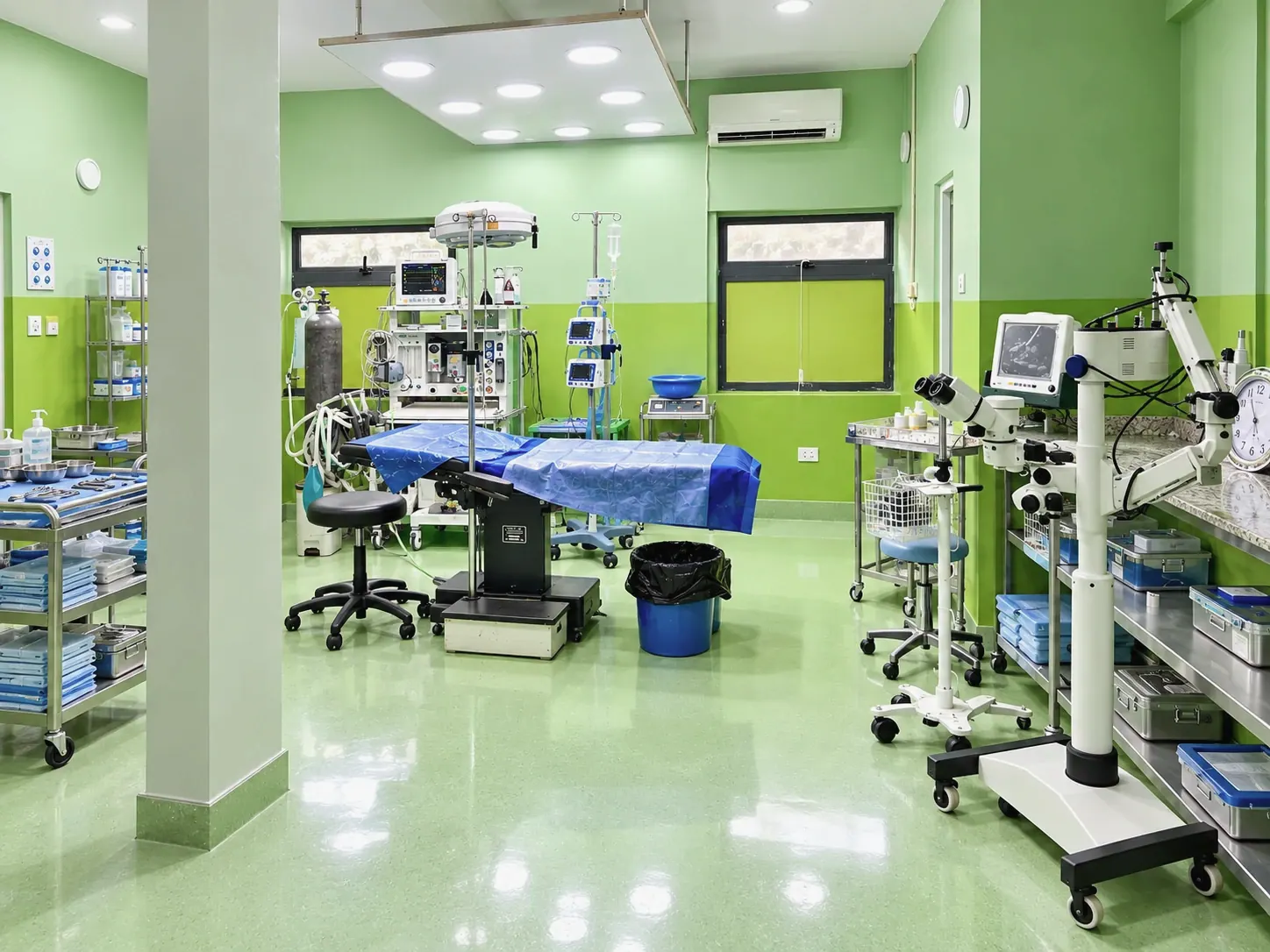
When you arrive, a nurse will check your details and prepare you. Before anything begins, the theatre team runs a safety checklist: they confirm your identity, the operation planned, the correct side or site, your allergies and other key details. You may be asked the same questions more than once. This is deliberate and keeps you safe.
The anaesthetist will give you either a general anaesthetic, so you are asleep, or a regional or local anaesthetic, which numbs part of the body while you stay awake or lightly sedated. The choice depends on the operation and your health, and will be discussed with you beforehand.
After the operation
You will wake up in the recovery area, where nurses watch your breathing, blood pressure, pain and wound closely. When you are stable, you will move to the ward or, after some smaller procedures, be allowed home the same day.
- Pain. Some pain is expected. Tell the nurses so they can give you pain relief. Good pain control helps you move, breathe deeply and recover faster.
- Moving. Getting up and walking, with help at first, lowers the risk of blood clots and chest infections.
- Eating and drinking. You will be told when you can start, usually gradually.
- Before discharge, the team will explain your wound care, medicines, activity limits and your follow-up appointment.
Caring for your wound at home
- Keep the wound clean and dry as instructed.
- Do not apply herbal preparations, powders or other substances to the wound.
- Wash your hands before touching the dressing.
- Take your medicines as prescribed and finish any antibiotics.
- Return on the date given to check the wound and remove stitches if needed.
Questions to ask your surgeon
It can be hard to remember everything during a consultation. These questions are a good starting point:
- What exactly will be done, and why do I need it?
- What are the main risks for someone like me?
- What happens if I decide to wait or not to have the operation?
- How long will I be in hospital?
- Will I need someone to help me at home, and for how long?
- When can I eat normally, bathe, drive, work and lift things again?
- Which signs after surgery mean I should come back immediately?
- What will it cost, and what does my NHIA plan cover?
Write the answers down, or ask a family member to do so.
Children having surgery
If your child needs an operation, explain what will happen in simple, honest words suited to their age. Bring a favourite cloth or toy. A parent or guardian can usually stay with the child until the anaesthetic starts and will be called as soon as the child is in recovery. Follow the fasting times given for children carefully, as they differ from those for adults.
When to come to the hospital
Return to Almadina Hospital straight away, day or night, if after your operation you have increasing pain, fever, redness, swelling, pus or a bad smell from the wound, bleeding that soaks the dressing, vomiting that does not stop, difficulty breathing, chest pain, or swelling and pain in one leg. For questions before your operation, or to discuss a referral, call 0806 083 9148. We are at 1-4 Chikaji Road, Sabon Gari, Zaria.
Tambayoyin da aka saba yi
Me ya sa ba zan ci abinci kafin tiyata ba?
Ciki maras komai yana rage haɗarin abinci shiga huhu lokacin maganin barci. Bi lokacin da ƙungiyar ta ba ka.
Sai na daina magungunan gargajiya kafin tiyata?
Ka faɗa wa likita duk maganin gargajiya da kake sha. Wasu suna shafar zubar jini ko maganin barci.
Yaushe zan koma aiki?
Ya danganta da tiyatar da aikinka. Likitan tiyata zai faɗa maka kafin a sallame ka.