
Last updated
Antenatal care is the care you receive while you are pregnant. It is one of the most effective ways to protect both mother and baby. Regular visits let your midwives and doctors find problems early, when they are easiest to treat, and help you prepare for a safe birth.
This guide explains when to start, what happens at your visits, and the signs that mean you should come to the hospital straight away.
When to start
Come for your first antenatal visit as soon as you know you are pregnant, ideally before 12 weeks. Early care lets us confirm how far along you are, check your general health, and start any treatment you need. The World Health Organization recommends at least eight antenatal contacts during pregnancy, with more frequent visits towards the end.
If you are already further along, it is never too late to start. Come as soon as you can.
Your first visit
At your first visit, the midwife or doctor will:
- Ask about your health, previous pregnancies and births, medicines you take, and your family history.
- Check your weight, height and blood pressure.
- Examine you and, where appropriate, arrange an ultrasound scan to confirm the pregnancy and estimate your due date.
- Arrange blood and urine tests.
- Give you an antenatal card. Bring it to every visit and every time you come to any hospital while pregnant.
Routine tests
The tests offered in pregnancy look for conditions that can affect you or your baby and that are much easier to manage when found early. They commonly include:
- Blood group and rhesus factor.
- Haemoglobin level, to check for anaemia, which is common in pregnancy.
- HIV, hepatitis B and syphilis, because treatment in pregnancy greatly reduces the chance of passing these infections to your baby.
- Urine tests, for infection, protein and sugar.
- Blood sugar, especially if you have risk factors for diabetes.
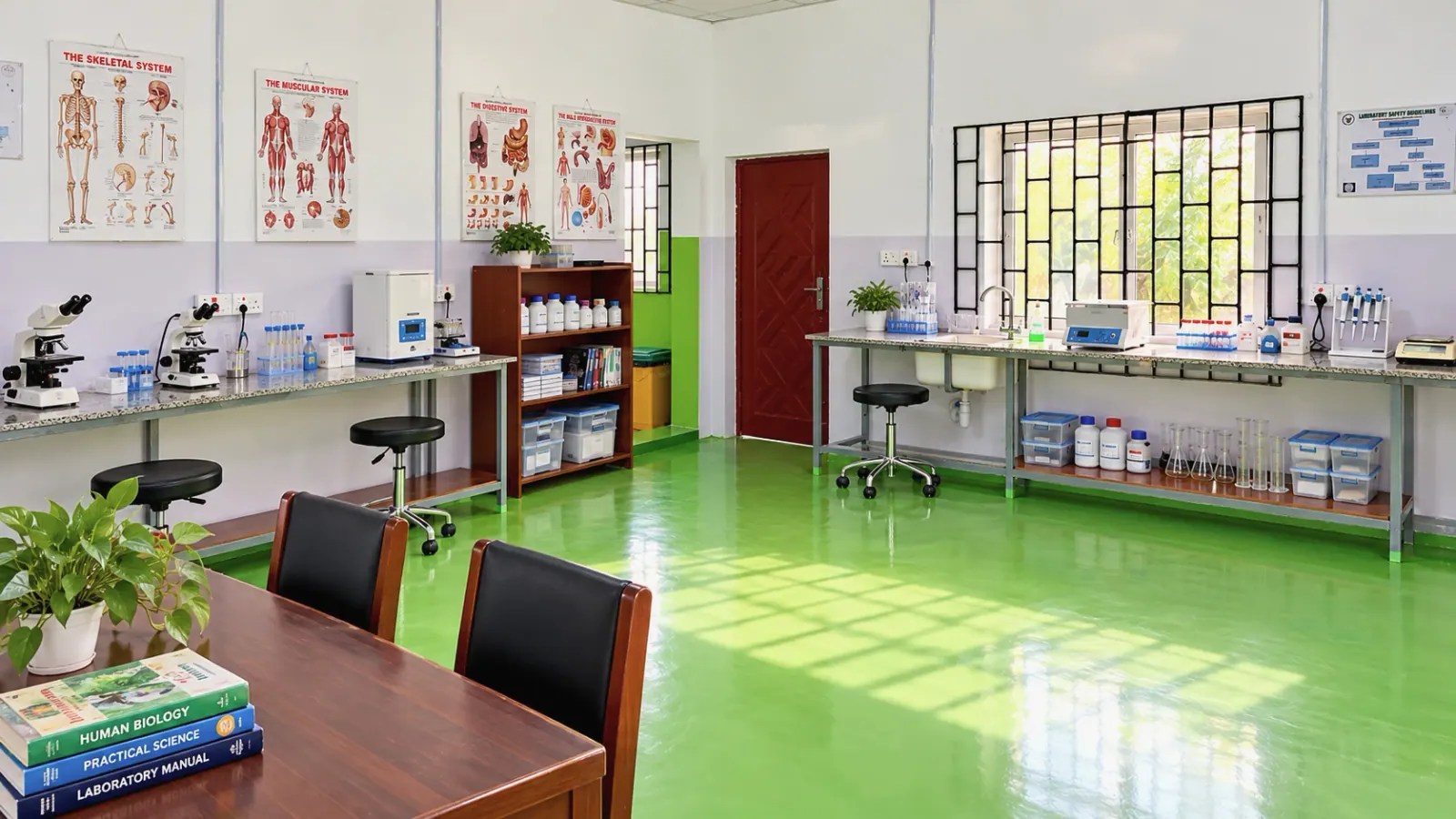
Our laboratory runs these tests, and ultrasound scans are available on site.
At later visits
At each later visit we will check your blood pressure, test your urine, measure the growth of your womb and listen to your baby's heartbeat. Towards the end of pregnancy we also check the baby's position.
You will receive:
- Iron and folic acid supplements, to prevent anaemia and support your baby's development.
- Tetanus vaccination, if you need it, to protect you and your newborn.
- Medicine to prevent malaria at the recommended stages of pregnancy. Keep sleeping under an insecticide-treated net every night as well.
Every visit is also a chance to ask questions. Nothing is too small to mention.
Looking after yourself
- Eat well. Include beans, eggs, fish or meat where you can, green leafy vegetables, fruit, and whole grains. Drink plenty of clean water.
- Rest when you can, and sleep on your side in later pregnancy.
- Stay active with gentle walking unless your midwife advises otherwise.
- Avoid medicines and herbal mixtures that your doctor has not approved. Some can harm the baby.
- Do not smoke or drink alcohol.
Planning for the birth
From around 28 weeks, start making a birth plan with your family:
- Decide where you will give birth. A health facility with skilled staff is the safest place.
- Arrange transport for any time of day or night.
- Set aside money for the birth and any emergencies, or check what your NHIA plan covers.
- Identify a family member who can donate blood if needed.
- Pack a bag with clothes, wrappers and items for you and the baby.
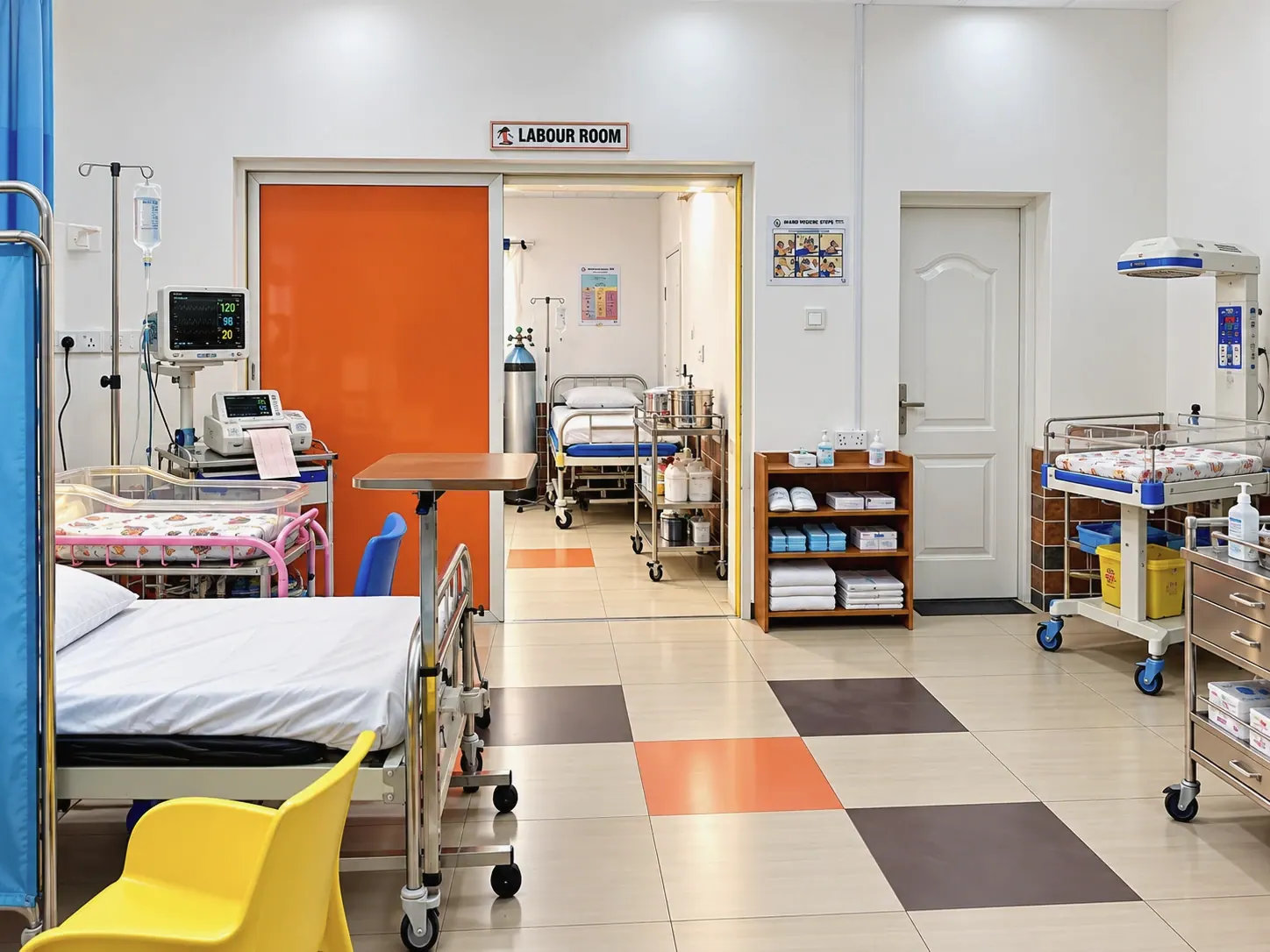
Our delivery room and maternity staff are available 24 hours a day, and the operating theatre is ready if a caesarean section becomes necessary.
Danger signs: come to the hospital straight away
Come immediately, day or night, if you have any of these at any stage of pregnancy:
- Bleeding from the vagina.
- Severe headache, blurred vision or seeing flashing lights.
- Swelling of the face or hands.
- Fits (convulsions).
- Fever.
- Severe pain in the abdomen.
- Your baby moving less than usual, or not at all.
- Your waters breaking before labour starts.
- Difficulty breathing.
Do not wait for your next appointment.
Common discomforts and what helps
Many changes in pregnancy are normal, even when they are uncomfortable.
- Nausea and vomiting, often in the early months. Small, frequent meals, dry foods such as crackers in the morning, and plenty of fluids help. Come to the hospital if you cannot keep anything down.
- Heartburn. Eat smaller meals, avoid lying down soon after eating, and raise your head at night.
- Constipation. Drink plenty of water, eat vegetables, fruit and beans, and stay active.
- Back ache. Rest with your feet up, avoid heavy lifting, and sleep on your side with a pillow between your knees.
- Swollen ankles at the end of the day are common. Rest with your feet raised. Sudden swelling of the face or hands, however, is a danger sign.
- Tiredness, especially early and late in pregnancy. Rest when you can and ask family for help.
Mention any discomfort at your antenatal visit. Your midwife can tell you whether it is normal and what will help. Do not take medicines for these complaints without asking first.
When to come to the hospital
Book your first antenatal visit at Almadina Hospital as soon as you know you are pregnant, and come for every scheduled visit after that. Come to the hospital immediately for any of the danger signs above, or when labour starts: contractions that are regular and getting stronger, or your waters breaking. Our maternity team is at 1-4 Chikaji Road, Sabon Gari, Zaria. Call 0806 083 9148 with any questions about your pregnancy.
Common questions
How many antenatal visits should I have?
The World Health Organization recommends at least eight contacts during pregnancy. Your midwife will give you the dates for each visit.
Is ultrasound safe for my baby?
Yes. Ultrasound uses sound waves, not radiation, and is a routine part of pregnancy care.
Can I use NHIA for antenatal care and delivery?
Antenatal care and delivery are commonly covered, but plans differ. Our NHIA desk will confirm what your plan includes.