
Last updated
Diabetes is becoming more common in Nigeria, including here in Zaria. Many people live with it for years before they know, because the early signs are easy to miss. Left untreated, high blood sugar damages the eyes, kidneys, nerves, heart and feet. With early diagnosis and steady daily care, most people with diabetes live full, active lives.
What diabetes is
Your body turns much of the food you eat into glucose, a sugar that gives your cells energy. A hormone called insulin, made by the pancreas, helps glucose move from the blood into the cells. In diabetes, the body either does not make enough insulin or cannot use it properly, so glucose builds up in the blood.
There are two main types:
- Type 2 diabetes is by far the most common in adults. It develops slowly and is linked to family history, weight, inactivity and age.
- Type 1 diabetes usually starts in children or young adults. The body stops making insulin, and insulin injections are needed from the start.
Some women develop diabetes during pregnancy, called gestational diabetes. It needs careful management to protect mother and baby.
Signs to look out for
Common signs include:
- Feeling very thirsty and drinking a lot.
- Passing urine often, including at night.
- Tiredness that does not go away.
- Losing weight without trying.
- Blurred vision.
- Cuts and sores that heal slowly.
- Frequent infections, such as skin or urinary infections.
- Tingling or numbness in the feet.
Many people with type 2 diabetes have no signs at all in the early years. That is why testing matters if you are at risk.
Who should be tested
Ask for a blood sugar test if you are over 40, have a parent or sibling with diabetes, are overweight, had diabetes in pregnancy, have high blood pressure, or have any of the signs above.
How diabetes is diagnosed
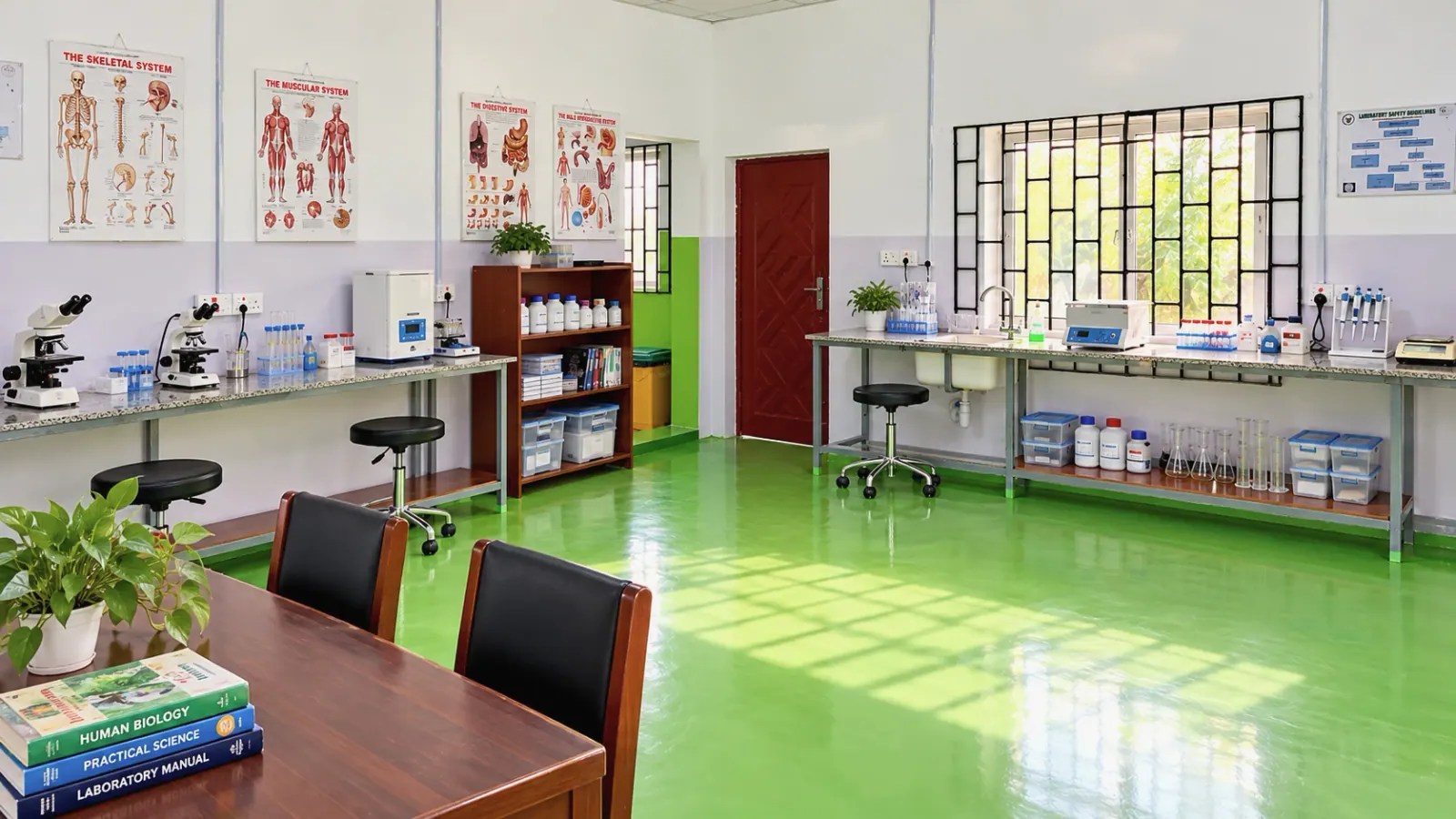
Our laboratory offers the tests doctors use to diagnose and monitor diabetes:
- Fasting blood glucose, taken after eight to ten hours without food. The laboratory or your doctor will tell you how to prepare.
- Random blood glucose, which can be taken at any time.
- HbA1c, which shows your average blood sugar over the past two to three months and does not need fasting.
A diagnosis is usually confirmed by more than one result.
Daily habits that protect you
Treatment is a partnership between you and your care team. These habits make the biggest difference.
Eat regular, balanced meals. Choose whole grains such as millet and sorghum over refined flour, fill half your plate with vegetables, include beans or lean protein, and limit sugary drinks, including heavily sweetened kunu and tea. Eat at regular times rather than skipping meals and then eating a large one.
Stay active. A brisk 30-minute walk on most days helps your body use insulin better.
Take your medicines as prescribed. Some people need tablets, some need insulin, and some need both. Do not stop or change them without speaking to your doctor.
Check your sugar if advised. Your doctor may ask you to check your blood sugar at home and keep a record to bring to your visits.
Look after your feet every day. Diabetes can reduce feeling in the feet, so injuries go unnoticed. Wash and dry your feet daily, check for cuts, blisters or colour changes, wear comfortable shoes, and avoid walking barefoot, even at home. Never cut corns yourself.
Keep your review appointments. At least once a year you should have your eyes checked, your kidneys tested with blood and urine tests, your feet examined, and your blood pressure and cholesterol checked.
Do not smoke. Smoking greatly raises the risk of heart disease and foot problems in people with diabetes.
Low blood sugar
People taking certain diabetes medicines or insulin can have blood sugar that drops too low. Signs include shaking, sweating, a fast heartbeat, hunger, confusion and irritability. If this happens, take something sugary straight away, such as a glass of fruit juice or a few sweets, then eat a proper meal. Tell your doctor if it happens more than once. If the person cannot swallow safely or becomes unconscious, bring them to hospital immediately.
Fasting during Ramadan
Many of our patients fast during Ramadan. Fasting with diabetes is possible for some people but carries risks, especially for those on insulin or certain tablets. Speak to your doctor a few weeks before Ramadan so your medicines and meal timing can be planned safely.
When you are unwell: sick-day rules
Illnesses such as malaria, a chest infection or diarrhoea can push blood sugar up or down quickly, even if you are eating less. On sick days:
- Keep taking your diabetes medicines unless your doctor has told you otherwise. Some tablets may need to be paused if you cannot eat or drink, so ask your doctor in advance which of yours these are.
- Check your blood sugar more often if you have a meter.
- Drink plenty of water or other sugar-free fluids, small amounts at a time.
- If you cannot eat normal meals, take small amounts of easy foods such as pap, soup or fruit regularly.
- Rest, but do not stay in bed all day without drinking.
Come to the hospital if you cannot keep fluids down, if your sugar stays very high or very low, or if you feel confused or drowsy.
Common myths
"Diabetes comes only from eating too much sugar." Sugar matters, but family history, weight, activity and age all play a part.
"If I feel fine, my sugar must be fine." High sugar can cause damage long before you feel unwell. Regular tests show what is really happening.
When to come to the hospital
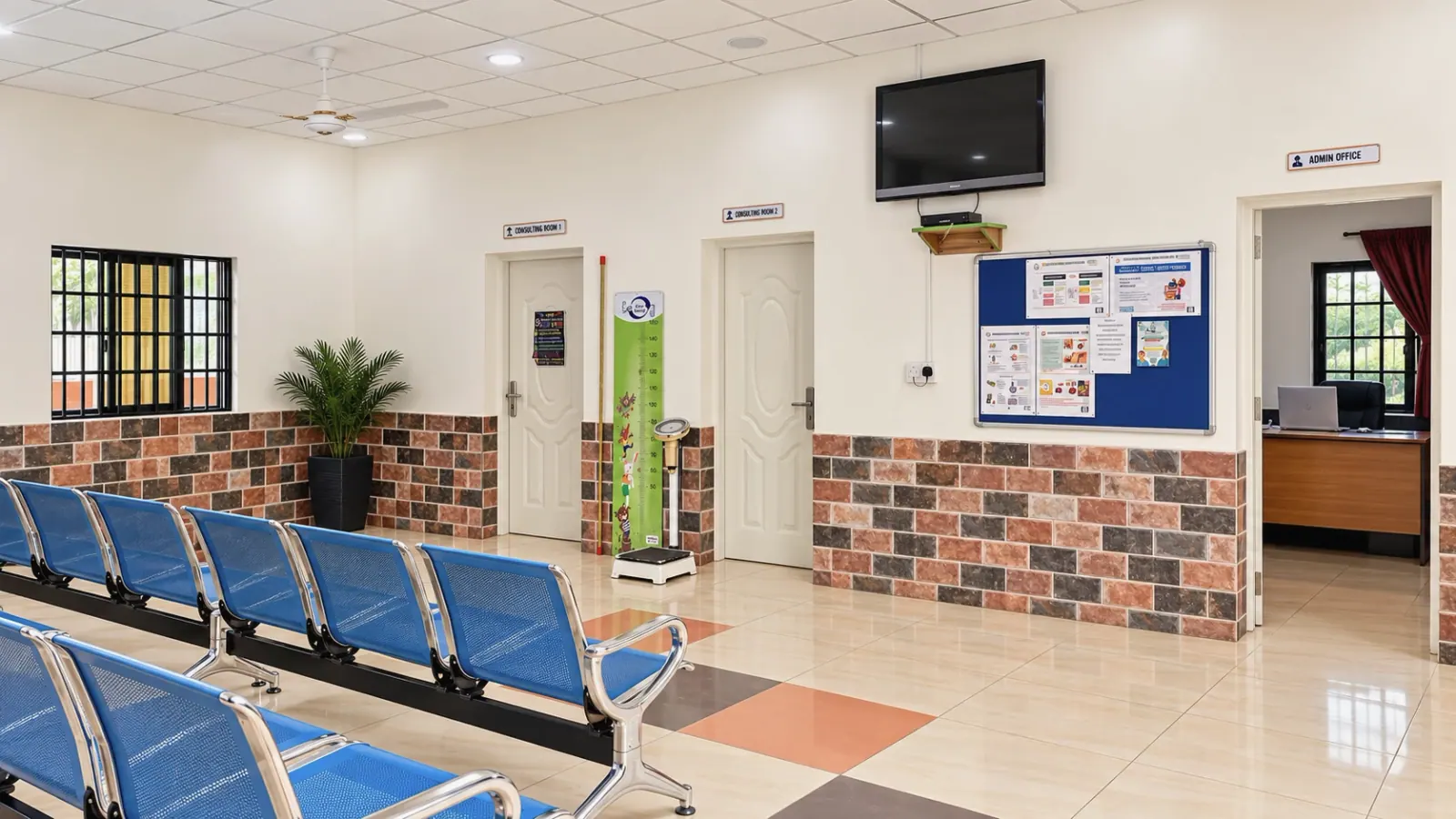
Come to our outpatient clinic for a blood sugar test if you have any of the signs or risk factors above, and for regular diabetes reviews. Come straight to the emergency department, day or night, if someone with diabetes is confused, very drowsy, vomiting repeatedly, breathing fast, or has a foot wound that is red, swollen, smelly or spreading. Almadina Hospital is at 1-4 Chikaji Road, Sabon Gari, Zaria. Call 0806 083 9148.
Common questions
Can diabetes be cured?
Type 2 diabetes cannot usually be cured, but it can be controlled well. Some people bring their sugar into a healthy range with weight loss, food changes and activity, with or without medicine.
Do I need to fast before an HbA1c test?
No. HbA1c does not need fasting. A fasting blood glucose test does, and the laboratory will tell you how long.
Why are my feet so important?
Diabetes can reduce feeling and blood flow in the feet, so small wounds can become serious infections. Daily checks catch problems early.