
Last updated
Malaria is one of the most common reasons people come to hospital in Zaria. Most of us have had it, and many people treat it as a normal part of the rainy season. That familiarity can be dangerous. Malaria can become serious within a day, especially in young children and pregnant women, and it is easy to prevent and treat when you act early.
This article explains how malaria spreads, how to protect your household, which signs need attention, and why we always test before we treat.
How malaria spreads
Malaria is caused by a parasite carried by the female Anopheles mosquito. When an infected mosquito bites, the parasite enters the blood, travels to the liver, and then multiplies in the red blood cells. These mosquitoes bite mostly from dusk until dawn, which is why sleeping protected matters so much.
Cases rise during and just after the rainy season, when standing water gives mosquitoes places to breed. Puddles, blocked gutters, old tyres, open containers and broken pots can all hold enough water for mosquito larvae.
Who is most at risk
Anyone can get malaria, but some people become seriously ill more quickly:
- Children under five, whose immunity is still developing.
- Pregnant women, for whom malaria can cause anaemia, miscarriage, early birth and low birth weight.
- People living with HIV or other conditions that weaken immunity.
- Visitors from areas where malaria is rare, who have little natural protection.
Protecting your household
No single measure is enough on its own. Used together, these steps make a real difference.
Sleep under an insecticide-treated net every night. This is the most effective protection you can give a child. Tuck the net under the mattress, check it for holes, and make sure children are under it before the evening mosquitoes come out. Nets are often distributed free during public health campaigns; ask at your local primary health centre if you do not have one.
Remove standing water around your home. Once a week, empty or cover containers, clear gutters, and fill in puddles where you can. Keep water storage drums covered.
Keep mosquitoes out of rooms. Window and door screens help, especially in bedrooms. Close doors and windows in the evening if screens are not fitted.
Use repellent in the evening when you are outside after dark, and wear long sleeves where practical.
Take part in community campaigns. During the rainy season, health workers in northern Nigeria give preventive malaria medicine to young children. If a campaign reaches your area, let your children take part.
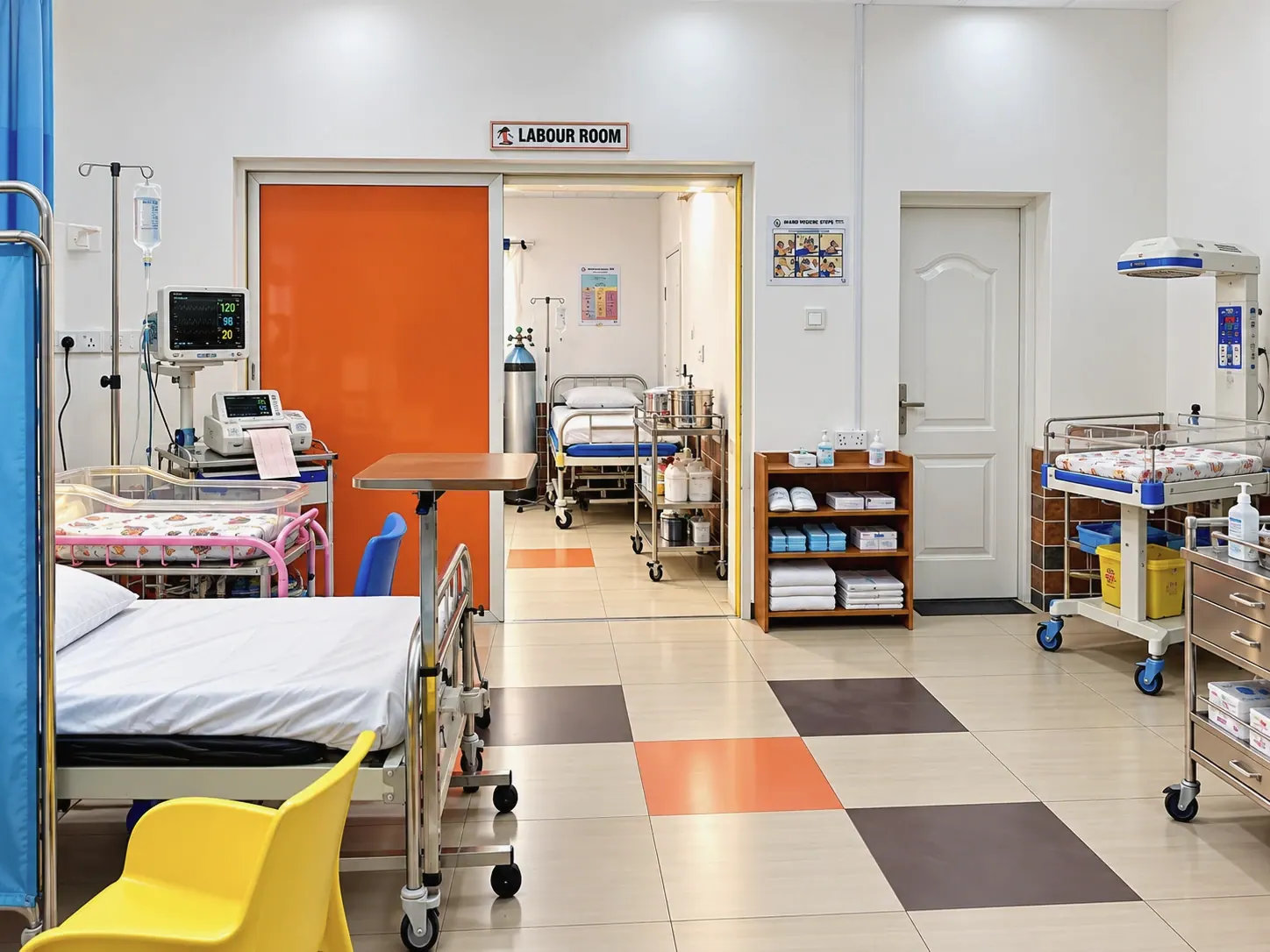
Pregnant women should attend antenatal care, where they receive medicine to prevent malaria at the right stages of pregnancy. Our maternity team can explain this at your antenatal visit.
The signs of malaria
Malaria usually starts between one and four weeks after an infected bite. Common signs are:
- Fever, often with chills and sweating.
- Headache and body aches.
- Tiredness and weakness.
- Loss of appetite, nausea or vomiting.
- In children, irritability, poor feeding or unusual sleepiness.
These signs are shared by many other illnesses, including typhoid, urinary infections and viral infections. That is the main reason we test before treating.
Why you should test before you treat
Many people buy malaria medicine at the first sign of fever. It feels sensible, but it causes real problems:
- If the fever is not malaria, the real cause goes untreated and can become worse.
- Taking antimalarial medicine you do not need wastes money and exposes you to side effects.
- Using medicines incorrectly helps the parasite become resistant, so treatments stop working for everyone.
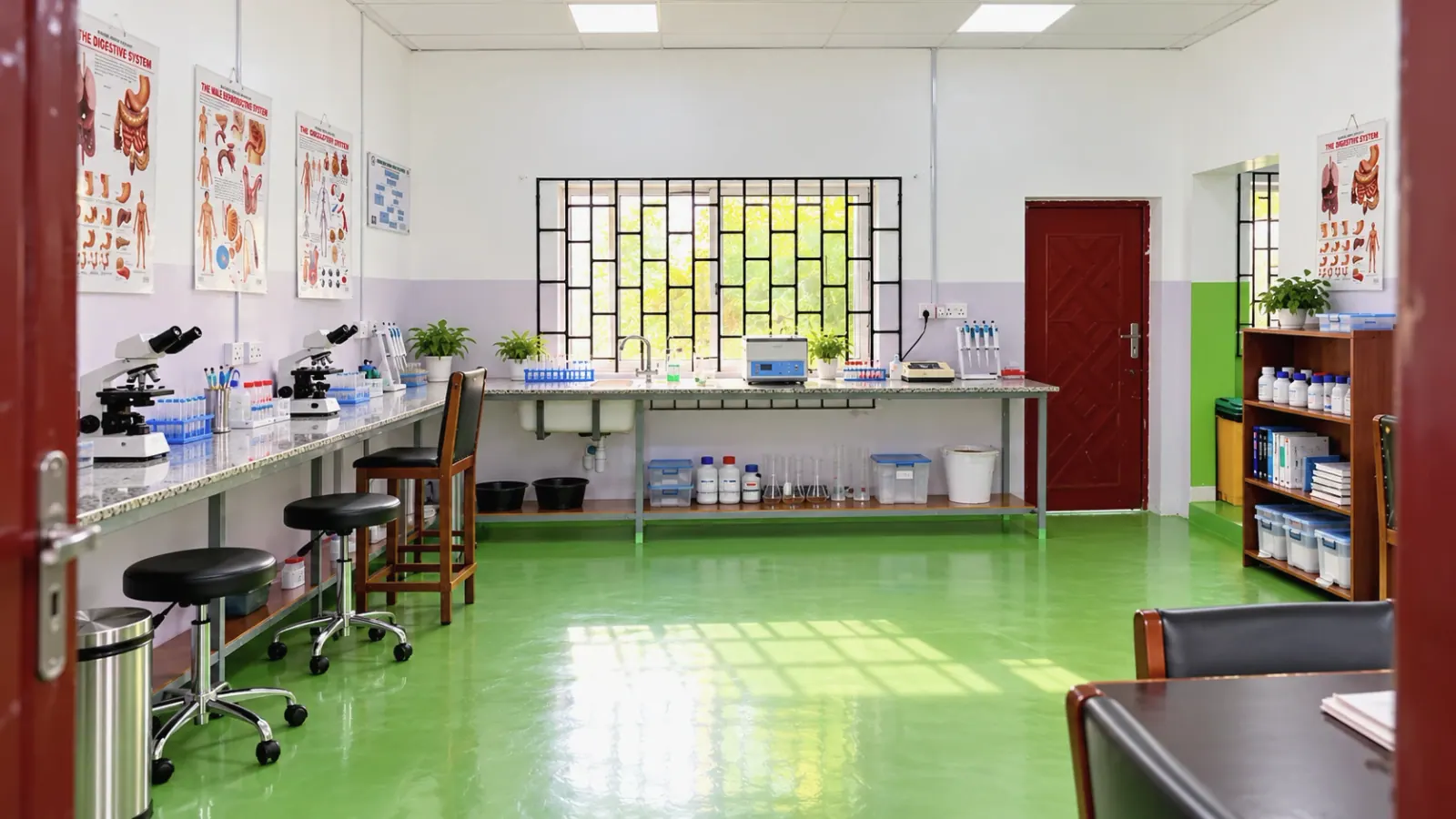
A malaria test is quick. A rapid diagnostic test gives a result in minutes, and a blood film examined under the microscope can confirm the result and show how many parasites are present. Our laboratory runs both, and results usually come back to the doctor the same day.
Treatment
When malaria is confirmed, the doctor prescribes an artemisinin-based combination therapy, the recommended treatment in Nigeria. A few points make treatment work:
- Take the full course, even if you feel better after the first day or two. Stopping early can let the infection return.
- Take the medicine with food if the doctor or pharmacist advises it, and at the times they give you.
- Do not share your medicine or keep leftovers for next time.
- Come back if the fever has not settled after two to three days of treatment, or if you feel worse at any point.
Severe malaria is treated in hospital, usually with medicine given into a vein, along with fluids and close monitoring by our nursing team.
Danger signs: come to the hospital straight away
Go to the nearest hospital immediately, day or night, if the person with fever has any of these:
- Convulsions (fits).
- Confusion, unusual drowsiness or difficulty waking.
- Inability to drink or breastfeed, or vomiting everything.
- Difficulty breathing.
- Very pale skin, palms or lips.
- Yellow eyes or dark urine.
- Bleeding that is unusual.
Do not wait to see whether these improve at home. Severe malaria can be treated successfully, but time matters.
When to come to the hospital
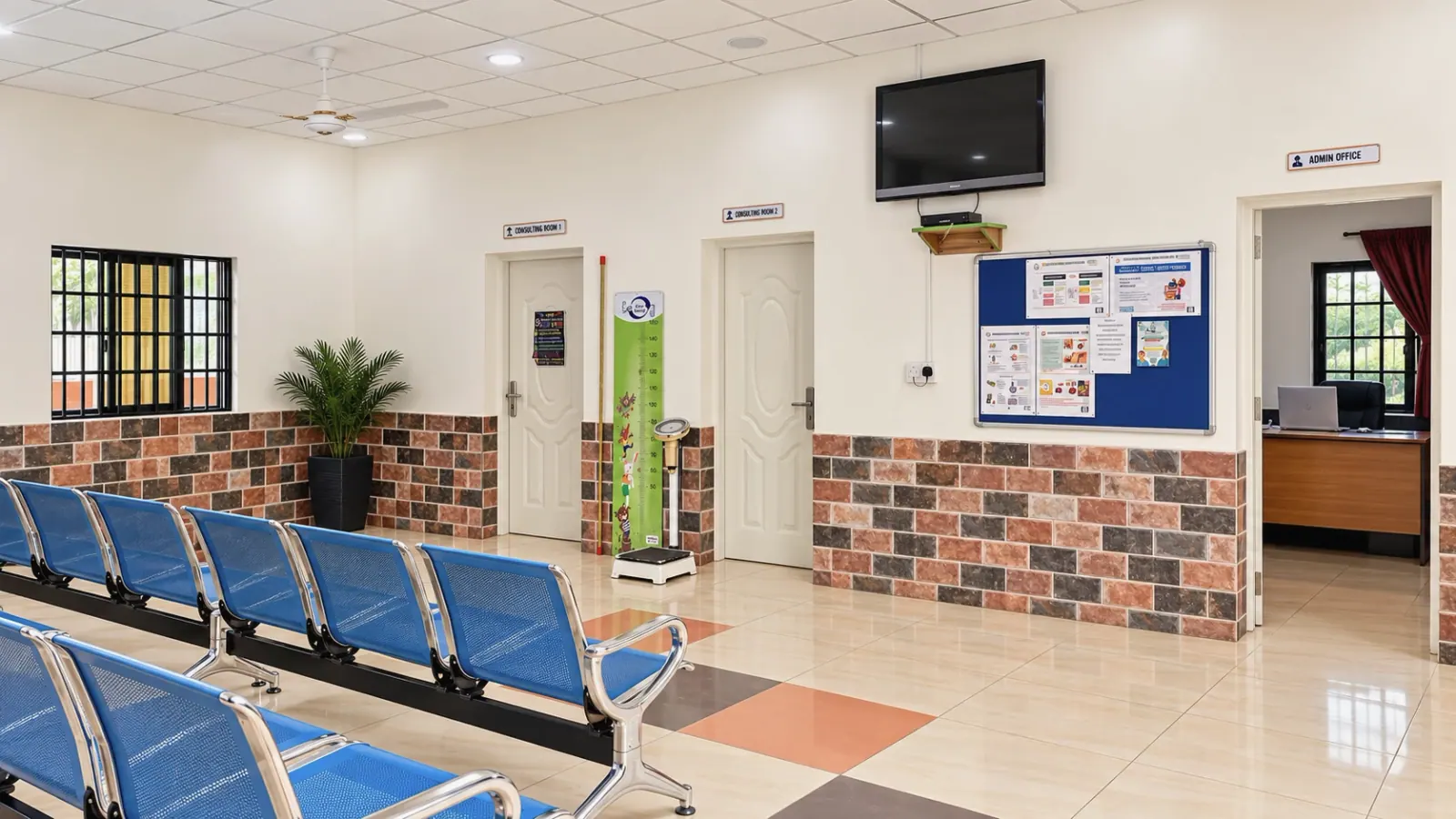
Come to Almadina Hospital for a malaria test if you or your child has a fever, especially during the rainy season. Come straight away, without an appointment, if any of the danger signs above appear. Our emergency team is on duty 24 hours a day at 1-4 Chikaji Road, Sabon Gari, Zaria, and you can call us on 0806 083 9148 on the way. If you are covered by NHIA, bring your card; emergency care is never delayed while cover is confirmed.
Common questions
Can I treat malaria at home without a test?
It is better not to. Many illnesses cause fever, and treating the wrong one delays the right treatment. A malaria test takes minutes.
How long should a malaria fever take to settle on treatment?
Most people feel better within two to three days. If the fever continues after that, or you feel worse at any time, come back to the hospital.
Does a net still work if it has small holes?
It works much less well. Repair small holes, tuck the net in fully, and replace it when the holes become large.