
Last updated
Typhoid fever is a bacterial infection spread through food and water contaminated with the faeces of an infected person. It remains common in many parts of Nigeria, especially where clean water and safe sanitation are hard to come by. It is also one of the most over-diagnosed illnesses we see, because its signs overlap with malaria and many other infections. Getting the diagnosis right matters for treatment and for stopping antibiotic resistance.
How typhoid spreads
Typhoid is caused by the bacterium Salmonella Typhi. People catch it by eating food or drinking water that has been contaminated, often because:
- Drinking water comes from an unprotected source or is stored uncovered.
- Food is prepared by someone who has not washed their hands after using the toilet.
- Raw fruit and vegetables are washed in unsafe water.
- Food is left uncovered and reached by flies.
Some people carry the bacteria without feeling ill and can pass it on.
The signs of typhoid
Typhoid usually develops gradually over a week or more:
- A fever that rises day by day and stays high.
- Headache and body aches.
- Weakness and tiredness.
- Stomach pain.
- Constipation, or sometimes diarrhoea.
- Loss of appetite.
- In some people, a cough or a faint rash.
Unlike malaria, which often comes in waves of fever and chills, typhoid fever tends to climb steadily and persist.
Why testing needs care
Many people are told they have typhoid after a single Widal test. The Widal test looks for antibodies in the blood, but it is unreliable on its own. It can be positive in people who had typhoid in the past, who were vaccinated, or who have other infections, and it can be negative early in a real typhoid illness. A positive Widal alone often leads to antibiotics that are not needed.
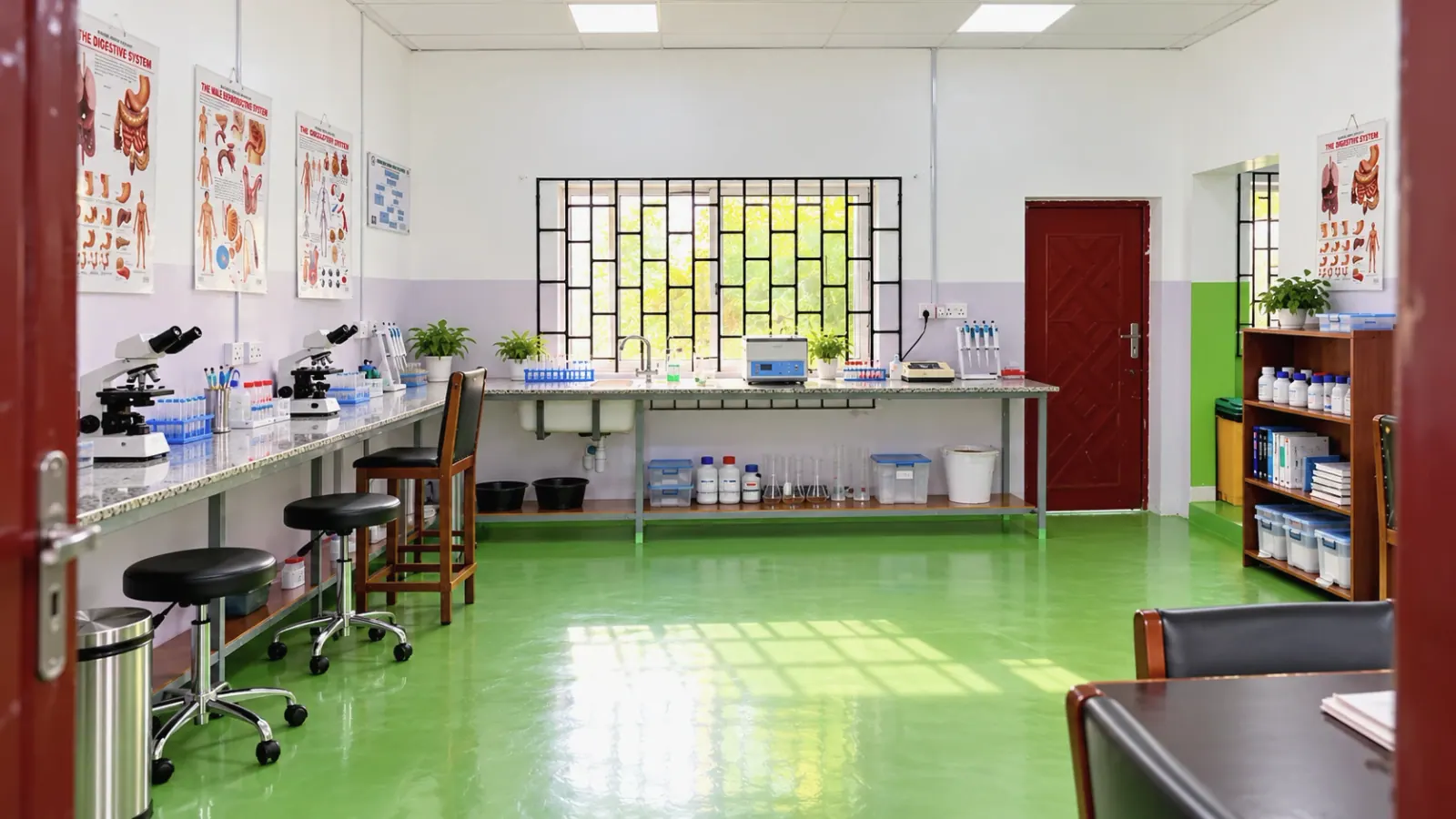
The most reliable test is a blood culture, which grows the bacteria from a blood sample. Stool culture can also help. Your doctor will decide which tests are right based on how long you have been ill and how unwell you are, and will consider other causes of fever, including malaria, which we also test for.
Treatment
Confirmed typhoid is treated with antibiotics prescribed by a doctor:
- Take the full course, even if you feel better after a few days. Stopping early can allow the infection to return and encourages resistance.
- Do not buy antibiotics without a prescription or use leftovers. Typhoid bacteria in Nigeria are increasingly resistant to some common antibiotics, and the wrong one may not work.
- Rest and drink plenty of safe fluids.
- Eat light, soft meals as you are able.
- Wash your hands carefully and avoid preparing food for others until your doctor says it is safe.
Most people improve within a few days of starting the right treatment. People who are very unwell may need admission for fluids and medicines into a vein.
Complications
Without proper treatment, typhoid can lead to serious complications, including bleeding or a hole in the intestine. These are emergencies.
Preventing typhoid at home
- Drink safe water. Boil drinking water for at least one minute, or treat it with water purification tablets, and store it in a clean, covered container.
- Wash your hands with soap after using the toilet, before preparing food, and before eating.
- Eat food while it is hot and well cooked. Avoid food that has been left uncovered.
- Wash fruit and vegetables in safe water, or peel them.
- Keep toilets clean and away from water sources.
- Ask about vaccination. A typhoid vaccine is available and is useful for people at higher risk.
Common myths about typhoid
"Every fever that does not go away is typhoid." Persistent fever has many causes, including malaria, urinary and chest infections, and viral illnesses. Testing guides the right treatment.
"A positive Widal test means I need a long course of antibiotics." Not always. Unnecessary antibiotics cause side effects and resistance. Your doctor will interpret the result alongside your symptoms.
"Typhoid can be cured with herbal mixtures alone." Confirmed typhoid needs the right antibiotic. Delaying treatment increases the risk of serious complications.
"Once I have had typhoid, I cannot get it again." You can be infected again, so prevention still matters.
Food safety for families and food sellers
People who prepare food for others, at home or for sale, play a big part in preventing typhoid. Wash hands with soap before handling food, keep cooked food covered and away from flies, use separate utensils for raw and cooked food, and do not prepare food for others while you are ill with diarrhoea or fever. If you sell food, regular health checks protect both you and your customers.
Recovery and returning to school or work
Tiredness can last for a few weeks after typhoid, even once the fever has gone. Build up your activity gradually, eat regular nourishing meals, and keep drinking safe fluids. Children can usually return to school when they have finished their treatment and feel well. Food handlers should ask their doctor before returning to work, as some may need a follow-up test to make sure they no longer carry the bacteria.
When to come to the hospital
Come to Almadina Hospital for assessment if you have a fever that lasts more than three days, or a fever with stomach pain, weakness or loss of appetite. Come to the emergency department immediately, day or night, if there is severe or worsening stomach pain, vomiting blood, black or bloody stools, confusion, or extreme weakness. We are at 1-4 Chikaji Road, Sabon Gari, Zaria. Call 0806 083 9148.
Common questions
I tested positive on a Widal test. Do I definitely have typhoid?
Not necessarily. The Widal test is often positive in people without typhoid. Your doctor will look at your symptoms and may order more reliable tests.
Can typhoid and malaria happen together?
It is possible, but less common than many people think. Testing for both helps the doctor treat what you actually have.
Is boiled water enough to prevent typhoid?
Boiling makes water safe, but you also need clean storage, handwashing and safe food to prevent typhoid.